
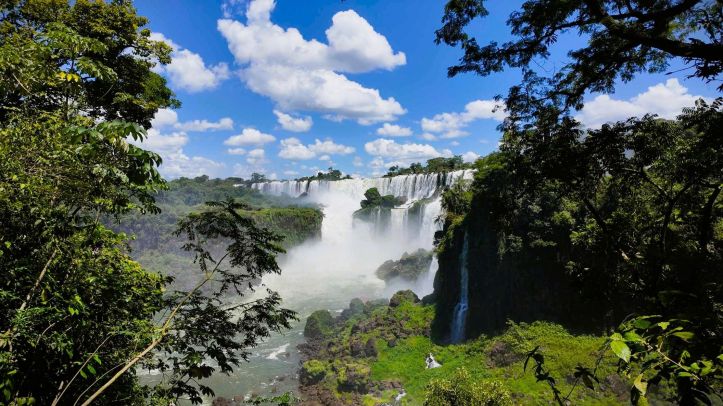
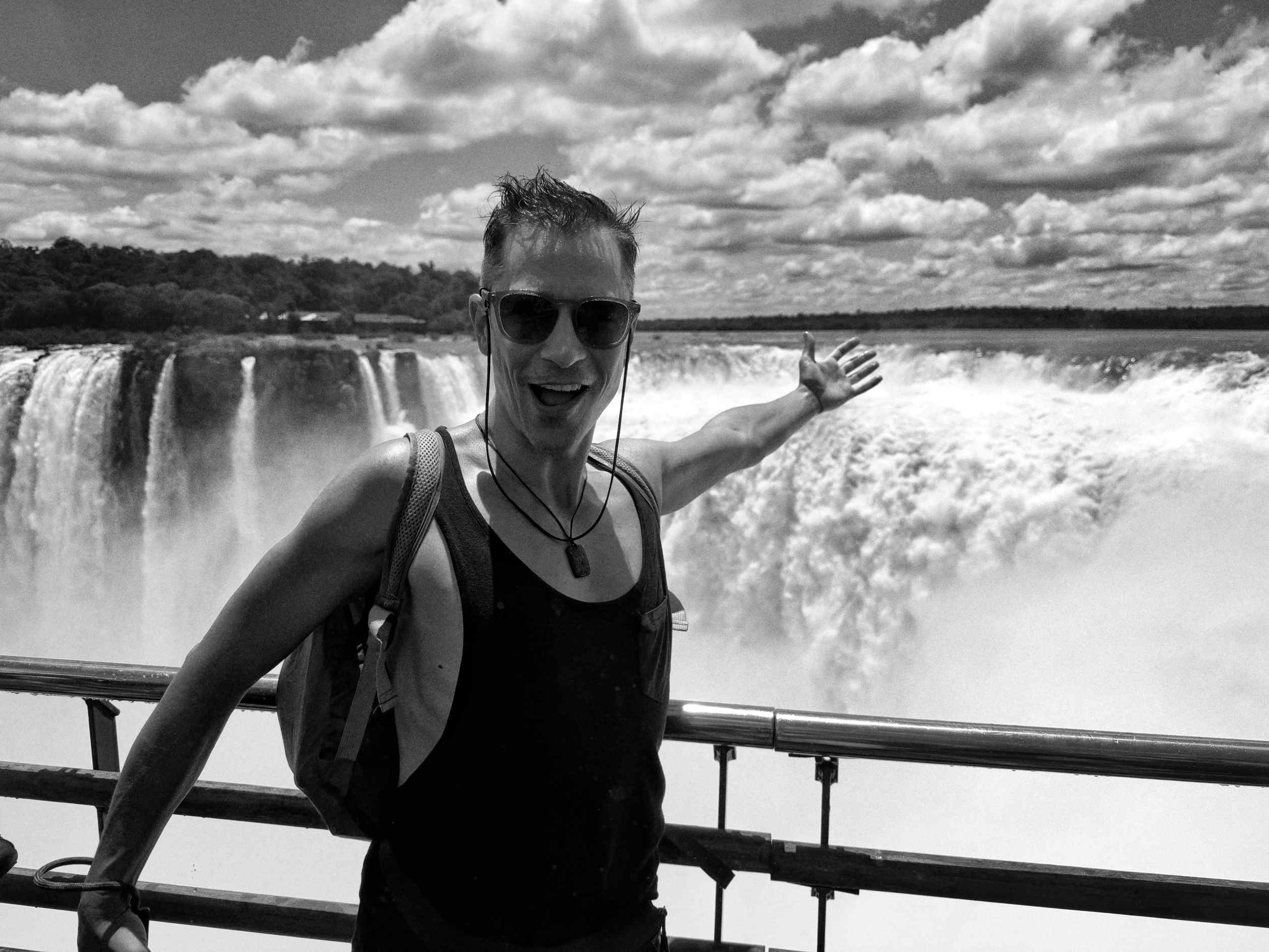
I’m just coming back from Iguazu Falls and I am going to lay down everything here for you, to make your trip easier and well-planned. Whether you’re travelling alone or with friends/family, you will definitely have a magical experience. Iguazu is one of the world’s most breathtaking natural wonders, straddling the border between Argentina and Brazil and in fact, it should be seen from both sides (which is easy to do, even in one day). This majestic spectacle of water and sound is a must-visit destination for any traveller. However, to truly enjoy the experience, it’s essential to be well-prepared. I went there with a friend and we stayed three days in total: first day – arrival and just walking around the Cataratas town, taking it easy. Second day – exploring the Argentinian side of Iguazu National Park, then going to Foz Do Iguazu in Brazil and on the third day we explored the Brazillian side of the National Park. This way we didn’t have to rush through the immensely stunning vistas and were able to take it all in, snap a thousand pictures and make a ton of videos that will stay with us forever.
Here are some tips to help you make the most of your visit.
1. When to Visit
The best time to visit Iguazu Falls depends on your preferences regarding weather and crowds. Spring (September to November) and fall (March to May) are ideal for fewer crowds and pleasant temperatures. Summer (December to February) is peak tourist season, with warm weather but larger crowds. Winter (June to August) offers cooler temperatures and fewer visitors, though some attractions might be closed due to maintenance. I was there in February (peak season) and I didn’t mind the crowds, everything was well-organized and the crowds didn’t bother me much.
Weather Considerations
- Rainy Season: From November to March, the falls are at their fullest due to heavy rainfall, but some trails might be closed.
- Heat in Summer: Be prepared for high temperatures and humidity during the summer months. Have a hat, sunnies, maybe even umbrellas (both for shade and rain).
Special Events
- Full Moon: Offers a unique perspective on the falls, especially during a full moon walk on the Brazilian side.
- Festivals and Holidays: Check local calendars for festivals or holidays that might affect park hours or crowd levels.
- Book directly from both the Argentinian and Brazilian official websites.
2. Getting There
Flights
The closest airports are Foz do Iguaçu International Airport (IGU) in Brazil and Cataratas del Iguazú International Airport (IGR) in Argentina. Both airports offer flights from major cities in their respective countries. It’s up to you which one you do first, in my case we travelled to Cataratas first, stayed there for the first day, then took a bus over to Foz do Iguaçu (which was about 30 minutes) and the border control took no more than 5 minutes. It’s a very easy and straightforward journey. The bus between the two towns is running every hour, throughout the day and we took it from the main bus station in Cataratas which was just a 10 minute walk from our hotel. It’s best to book a hotel in the centre of the town but if you choose to splash some money you can even book the hotel in the heart of the national park with views over the falls (I’m told it’s quite pricey)..
Transportation
- Taxis: Convenient but more expensive. We used Uber in Foz, but there was no need for a taxi on the Argentinian side as the town is very small and easy to get around, the bus is regular and it takes the same time as a taxi.
- Buses: Affordable and frequent services from both airports to the falls.
- Shuttles: Many hotels offer shuttle services; check with your accommodation provider.
- NB: If you’re counting on Uber for your transport, bear in mind that on your way back from the park, you won’t be able to call it (Internet was almost non-existent) and there will be some cabs outside, albeit at a higher rate (I’d say double of what we paid for our Uber).
Crossing Borders
If you plan to visit both sides of the falls, ensure you have the necessary visas and documentation. The border crossing is relatively straightforward, but it’s wise to check current requirements before traveling.
3. Booking Tips
Book your accommodation well in advance, especially during peak season (December to February). I booked almost everything through Booking.com and Kiwi.com but Expedia sometimes has very good deals too. For tickets to the national parks (both sites are part of national parks on either Argentina’s and Brazil’s side) I would recommend booking directly from their official websites. Alternatively, you can try some of the guided tours on GetYourGuide.com.
4. Must-See Attractions
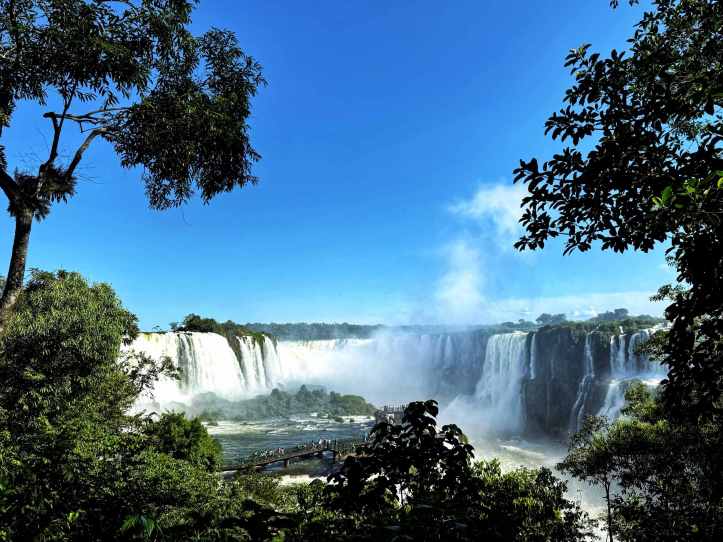
Devil’s Throat (Garganta del Diablo)
Accessible from the Argentinian side, this U-shaped chasm is the most iconic part of the falls. Take the Rainforest Ecological Train to the Garganta del Diablo Station for an unforgettable experience.
Upper and Lower Circuits
Also on the Argentinian side, these trails offer stunning views of the falls from different angles. The Upper Circuit provides a bird’s-eye view, while the Lower Circuit takes you closer to the water’s edge.
Panoramic Views
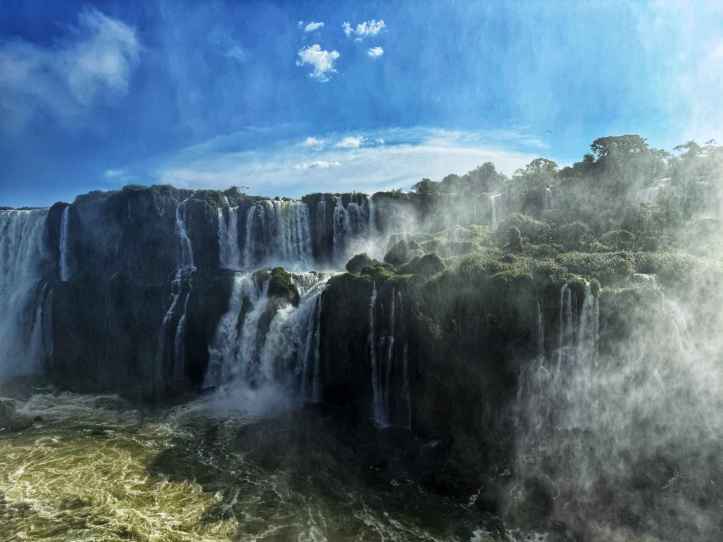
The Brazilian side offers breathtaking panoramic views of the falls. The trail here is shorter and easier, making it accessible to a wider range of visitors. It’s even more scenic than the Argentinian side and you get a chance to stand on top of the falls and up-close to some of them.
Macuco Safari
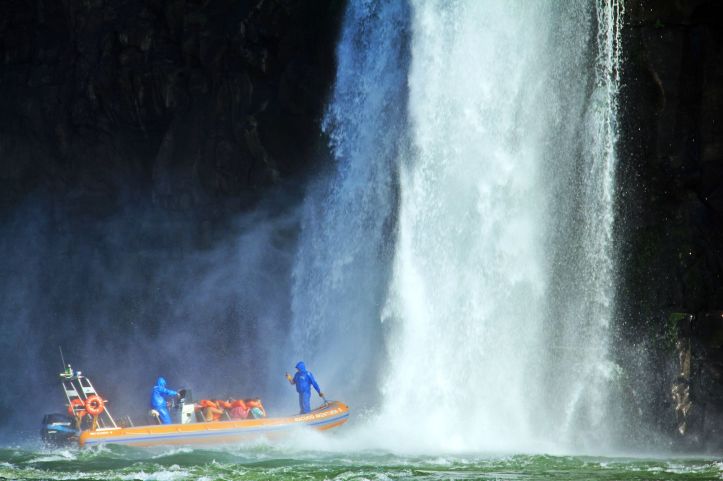
This thrilling boat tour on the Brazilian side takes you right into the falls, providing an exhilarating experience. Be prepared to get soaked! It can be booked on the same day when you enter (or just before you enter, you will see representatives approaching you). It costs around 325 Real (around 50 bucks), with an optional 20 euro fee for videos and photos (I strongly recommend getting this too). There are other add-ons that we skipped. The boat tour alone is all you need for an unforgettable experience.
9km Trail (on the Brazilian Side)
This is not included in the ticket and there are only 3 time slots available with the last one being around 13:20h which was way too early for us. We arrived late (around 11am) and the boat ride takes about an hour or more with the wait and everything, so we decided to skip the hike. Even without it, our day was completely packed with exciting things to do and see.
5. Practical Tips
Start early. The waterfalls are part of a large national park and it takes a lot of time to visit all the sites. The Argentinian side is bigger, but both sides are quite enormous and take up a whole day. You can do both in one day, but we wanted to take our time and did one day for each side. In Argentina we left our hotel at 8am, we took a bus at 8:30 and the trip to the national park is around half hour, so by 9am we were there. We booked our tickets online the night before and this way we didn’t have to queue for tickets, so we went straight to the entrance. This saved us at least 20 minutes or more. This goes for either side, both are easy to book online, from the official websites of the national parks of both countries. No need for tour guides or trips booked in advance. You can organise these on the spot.
Soon after you enter you get to a train station. There’s 2 different stations. One train runs every 30 minutes, the other one runs every 15 minutes. The queues for both will be enormous, so ask to find out what time slots are available and choose which one you want to catch. We opted for the ones that run every 15 min for obvious time efficiency.
Clothing
- Waterproof Gear: Essential for boat tours and walking near the falls. If you can, bring swimwear for the Makuko Safari boat ride (there are lockers there, so you can change and leave things that should not get wet).
- Comfortable Shoes: Good footwear is crucial for hiking and exploring.
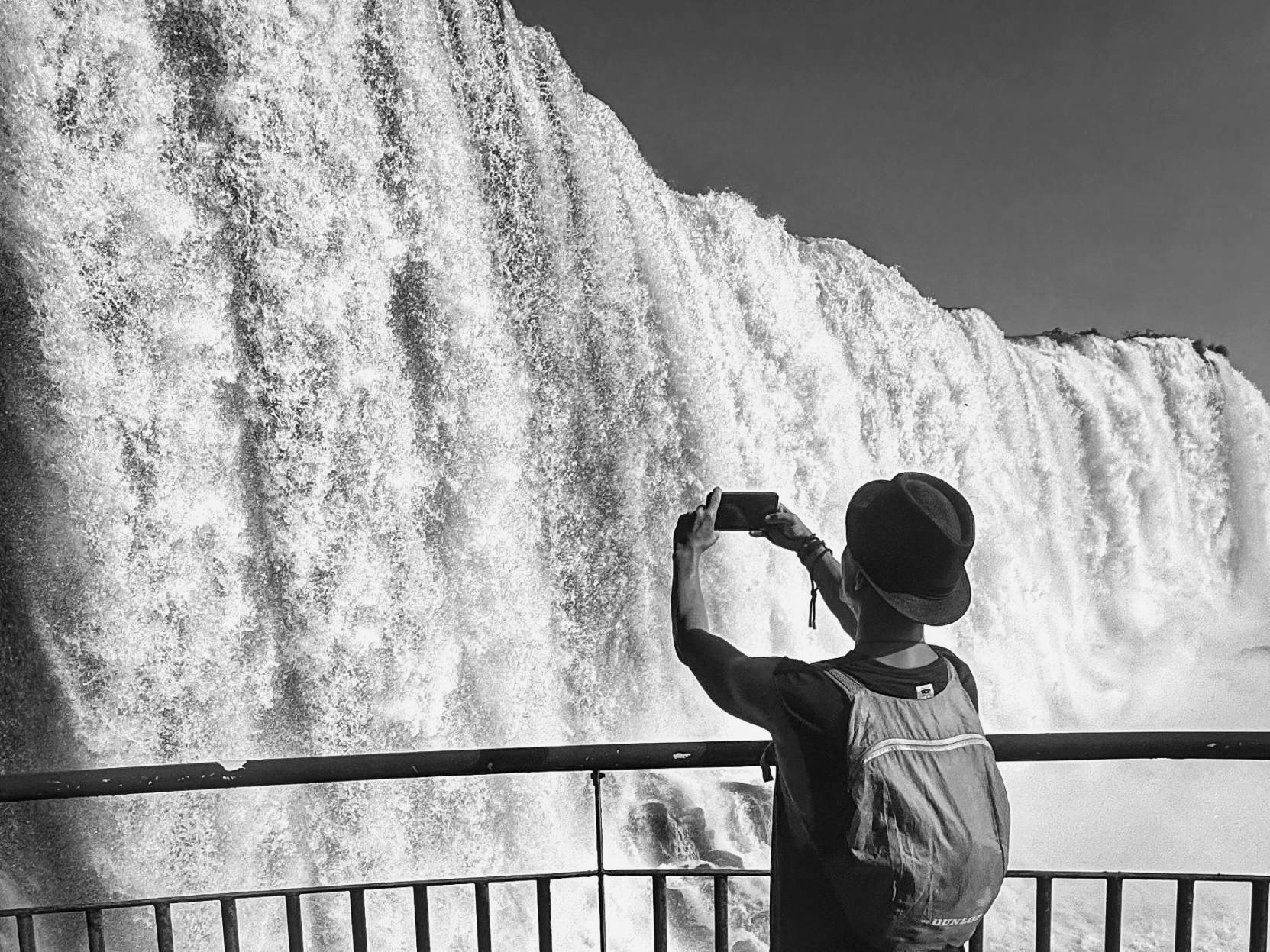
- Photography gear: even if you’re not a pro, don’t think you won’t be tempted to take a million photos and videos, so make sure your phone(s) are fully charged and bring an extra power bank to make sure you don’t miss a thing. Nothing ages better than photos.
Safety
- Wildlife: Be mindful of wildlife like capybaras and toucans. They can be a bit aggressive sometimes and scratches can carry rabies.
- Slippery Paths: Watch your step on wet trails.
Money
You can use bank cards pretty much everywhere, but have some local currency (Argentine Pesos or Brazilian Reals) for small purchases.
Language
You will be able to get around with English on site, but in the towns, expect to use mostly Spanish in Argentina and Portuguese in Brazil. I noticed that in Brazil English goes more than in Argentina.
6. Budgeting and Costs
Entrance Fees
Book directly from both the Argentinian and Brazilian official websites. As of February 2025, entrance fees are approximately:
- Argentina: ARS 45,000 (around 40 euros/dollars) for foreigners, with discounts for Mercosur residents and locals.
- Brazil: BRL 107 (around 21 euros/dollars) for foreigners, with discounts for Brazilian residents.
Transport Costs
- Taxis: Around BRL 100-150 from airports to the falls.
- Buses: Much cheaper, around BRL 5-10.
Food and Drink
- Options: Range from local eateries to high-end restaurants.
- Hydration: Stay hydrated with plenty of water throughout the day. Kiosks are available at some main points and gift shops.
7. Additional Activities
Hiking Trails
Explore the surrounding rainforest on various trails, offering opportunities to spot unique wildlife and plants.
Wildlife Watching
- Capybaras: Commonly seen grazing near water bodies.
- Toucans: Look for these colorful birds in the forest canopy.
- Butterflies: Yellow, Blue and other brightly coloured giant butterflies can be found all over the place.
Photography
- Tips: Early morning or late afternoon offers the best light for capturing stunning waterfall photos.
- Equipment: Bring a waterproof camera or plastic phone case for boat tours. These can be bought also on site.
General Facts
- Size and Structure: Iguazu Falls is not a single waterfall but a collection of approximately 275 individual waterfalls and cascades, with heights ranging from 60 to 82 meters (196 to 270 feet). The total width spans about 2.7 kilometers (1.7 miles), making it nearly three times wider than Niagara Falls.
- UNESCO World Heritage Site: The falls were declared a UNESCO World Heritage Site in 1984, recognized for their stunning beauty and ecological importance.
- Devil’s Throat: The most iconic section of the falls is the Devil’s Throat (Garganta del Diablo), a U-shaped cataract where about half of the river’s flow plunges down with a thunderous roar. This section features 14 falls that drop over 350 feet.
- Biodiversity: The surrounding national parks are home to an incredible variety of flora and fauna, including over 2,000 plant species and around 450 animal species, making it one of the most biodiverse regions in South America.
Argentinian Side
- Access to Waterfalls: Approximately 80% of the waterfalls are located on the Argentinian side, allowing visitors to get closer to many of the cascades through extensive walking trails.
- National Park Size: The Argentinian side encompasses about 67,620 hectares, part of the larger Iguazú National Park established in 1934.
- Visitor Experience: The trails on this side offer immersive experiences, allowing visitors to walk right up to many falls and enjoy various viewpoints that provide stunning perspectives of the cascades.
Brazilian Side
- Panoramic Views: The Brazilian side is known for its panoramic views of the falls, providing a broader perspective that showcases their vastness.
- National Park Size: The Brazilian portion covers approximately 185,262 hectares, part of Iguaçu National Park, which was established in 1939.
- Macuco Safari: This thrilling experience combines a jungle truck ride with a boat trip that takes visitors close to the falls, offering an exhilarating view from below.
In Conclusion
Visiting Iguazu Falls is a once-in-a-lifetime experience that combines breathtaking natural beauty with exciting adventures. By following these tips, you’ll be well-prepared to enjoy every moment of your trip. Whether you’re a seasoned traveller or just starting to explore the world, Iguazu Falls is sure to leave you in awe.
 Oggs' Earth
Leave a comment